
The BJJ Belt System Explained — A Complete Beginner's Guide
Brazilian jiu jitsu has one of the most demanding belt systems of any martial art. Most people, when they first hear that, assume it's a reason to be put off. It isn't. It's actually one of the best things about it.
In BJJ, rank is hard to earn — and because of that, it genuinely means something. There's no six-month black belt. No syllabus you memorise for a formal grading test. No political back-room decisions about who moves up. Progress is earned on the mat, in real training, against resisting partners. It's honest.
For anyone in Canberra considering their first BJJ class, understanding how the belt system works helps set the right expectations from day one. And once you understand it properly, you'll realise it's less about reaching the next rank and more about the person you become along the way.
The BJJ Belt Order
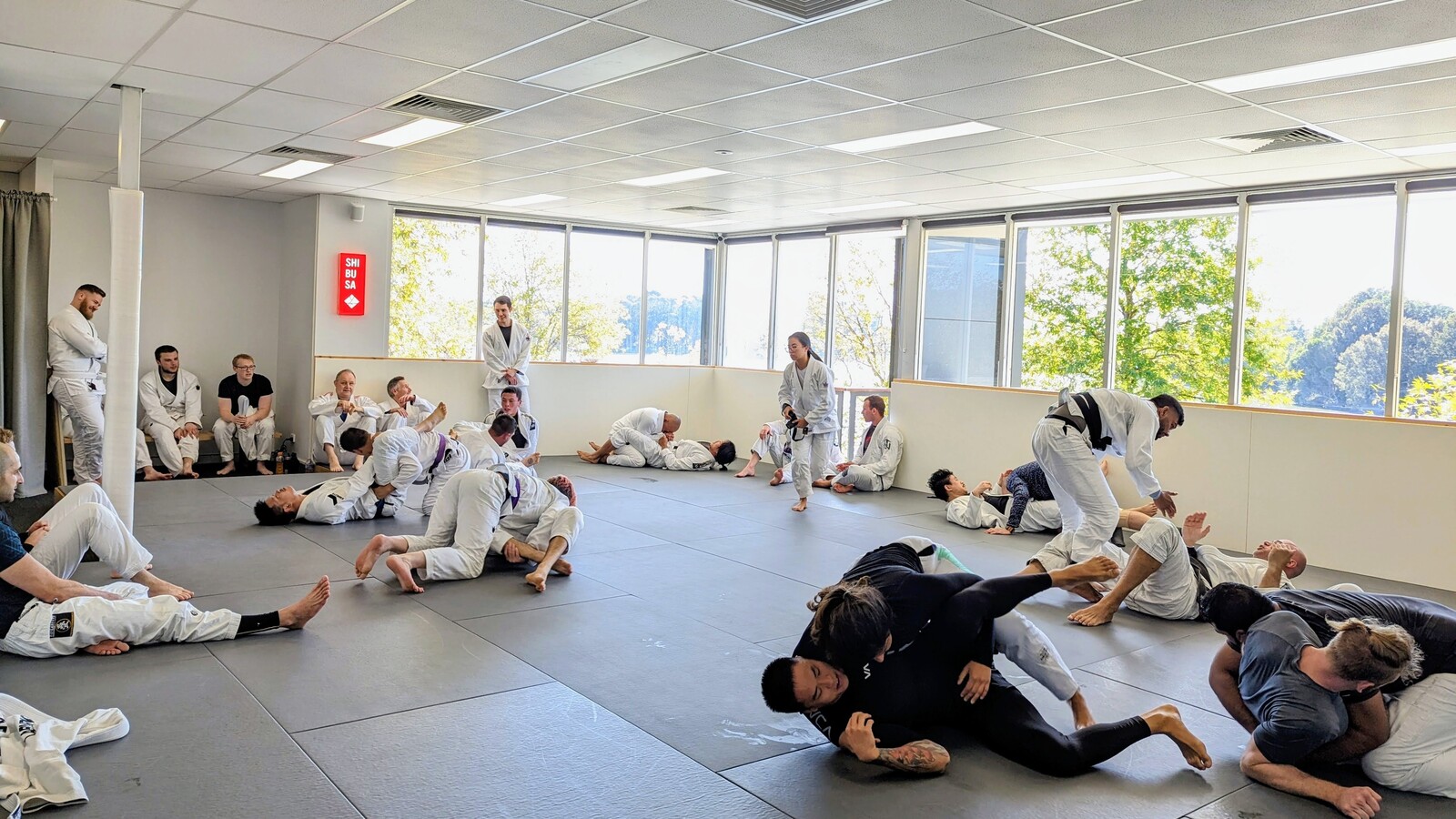
There are five main belt ranks in Brazilian jiu jitsu for adults. Here's what each one represents.
White Belt
Every single person starts here. White belt is the beginning, and it lasts longer than most people expect. This is where you learn to move on the ground, develop your base and posture, and start building the fundamental patterns that everything else in BJJ sits on top of. Don't be in a rush to leave white belt. The depth you develop here determines how well everything else stacks up.
Blue Belt
Blue belt is awarded when a student demonstrates a solid understanding of fundamental techniques and can apply them consistently under live resistance. It's often described as the first real milestone — the point at which you've gone from learning BJJ to actually doing it. If you earn your blue belt, you've proven something to yourself and to your coach.
Purple Belt
Purple marks the shift from competent practitioner to serious student of the art. At purple belt, you're expected to have strong technical depth across multiple positions, good positional awareness, and a well-developed personal game — a style and set of go-to techniques that you genuinely own.
Brown Belt
Brown belt practitioners are advanced, technically well-rounded, and often starting to develop a genuinely unique style that reflects years of exploration on the mat. Many brown belts are capable instructors in their own right.
Black Belt
The most respected rank in Brazilian jiu jitsu. A black belt doesn't just represent technical skill — it represents years of consistent mat time, resilience, ego kept in check, and a deep, evolving understanding of the art. On average, it takes 10 to 12 years of regular training to reach black belt in BJJ.

What the Stripes on Your Belt Mean

Each belt from white through to brown can carry up to four stripes, awarded incrementally before the next full belt promotion. Think of stripes as checkpoints — a visible acknowledgement from your coach that you're progressing steadily within your current rank.
Stripes in BJJ aren't handed out on a fixed schedule. Your instructor awards them when they feel you've demonstrated consistent progress — in technique, in your understanding of positions, in how you carry yourself on the mat. Some students accumulate stripes quickly. Others take longer at each checkpoint. Both are completely normal.
What the stripe system does really well is give you tangible recognition of growth before the longer gap to your next full belt promotion. The space between white and blue can feel long. Having a 2-stripe white belt on your hips means something — it means you're on your way, and the people who matter have noticed.
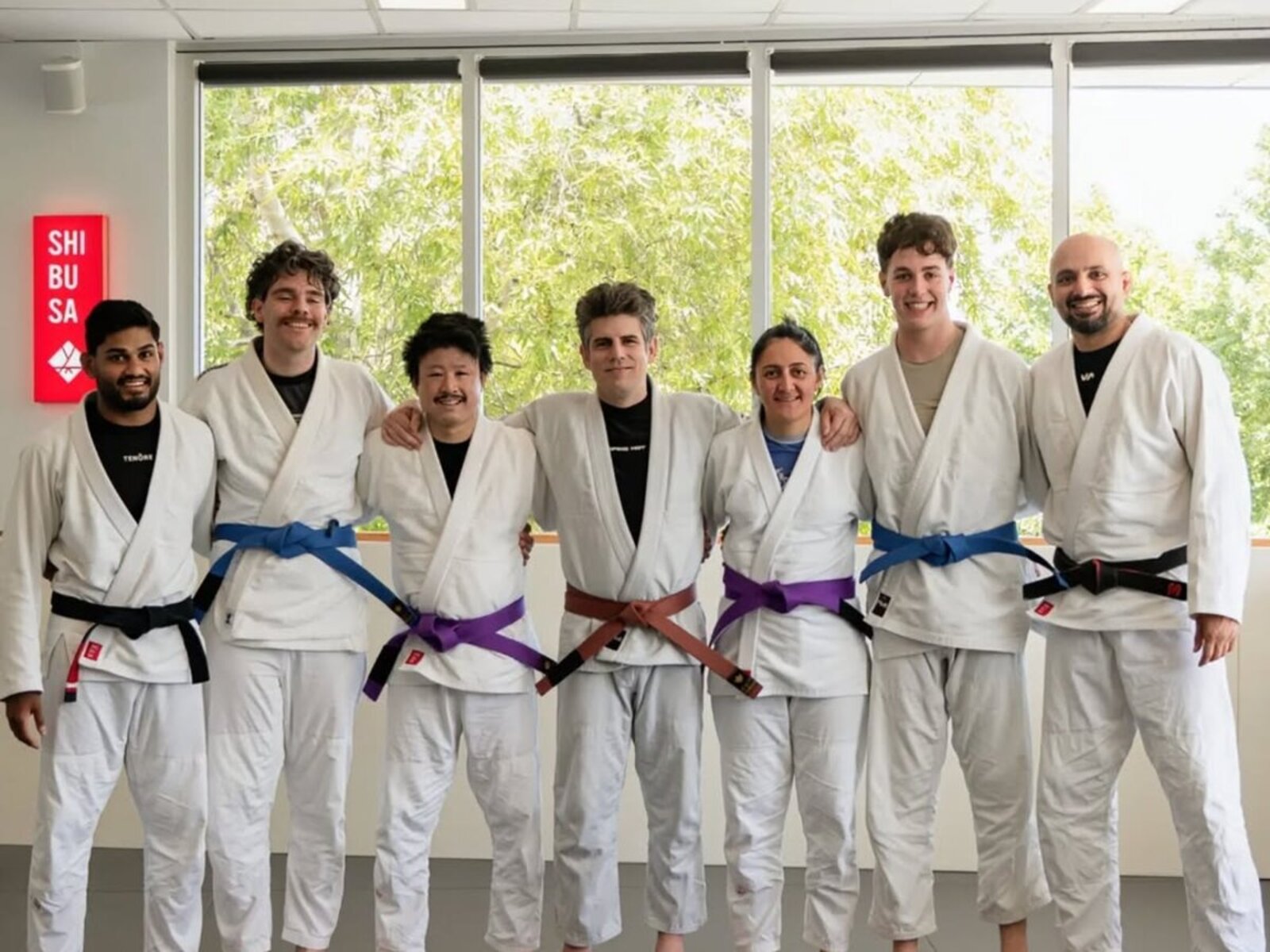
At Shibusa, stripes are awarded by head coach Shaher or coach Allen based on their genuine assessment of your development. There's no grading fee, no formal ceremony. You'll find a new stripe on your belt at the end of class one day, and you'll know exactly why you earned it.
How Long Does It Take to Get a Black Belt in BJJ?
The honest answer: 10 to 12 years of regular training.
To put that in context: a traditional karate or taekwondo black belt is often achievable in 3 to 5 years. In BJJ, the bar is fundamentally higher — and that's entirely intentional.
BJJ is what practitioners call an "alive" art. You test your technique against resisting opponents in every training session. There's no pattern rehearsal, no forms, no controlled demonstrations. If something doesn't work against a thinking, moving training partner — it doesn't count. That reality check, applied consistently over years, demands real skill. You can't fast-track it.
Here's the perspective shift that makes it all click: the black belt was never really the point. Everything you become along the way — the composure under pressure, the problem-solving instincts, the consistency you develop by showing up week after week for years — that's the point. The belt is just confirmation that you got there.
What Do You Actually Need to Do to Earn a Belt Promotion?
There is no formal grading syllabus in BJJ. You don't perform a fixed set of techniques in front of a judging panel, pass or fail, and receive a new belt at a ceremony. It doesn't work that way.
Belt promotions in BJJ are earned through:
- Consistent attendance and genuine effort over time
- Demonstrated technical ability applied under live resistance in sparring
- Sound understanding of positions, transitions, and submissions relative to your level
- The way you carry yourself — how you treat training partners, how you respond to difficulty, how you contribute to the gym culture
- Your instructor's assessment of your readiness
At Shibusa, promotions reflect genuine progress, not time served. Coaches Shaher and Allen are watching your development in every class. There's no ticking off a checklist — it's a holistic assessment of whether you've become the practitioner that the next rank represents.
One important note: Shibusa does not charge grading fees for belt promotions. Your rank reflects your ability — nothing else.
Does Belt Rank Matter When You're Just Starting Out?

Not at all. And this is worth being direct about.
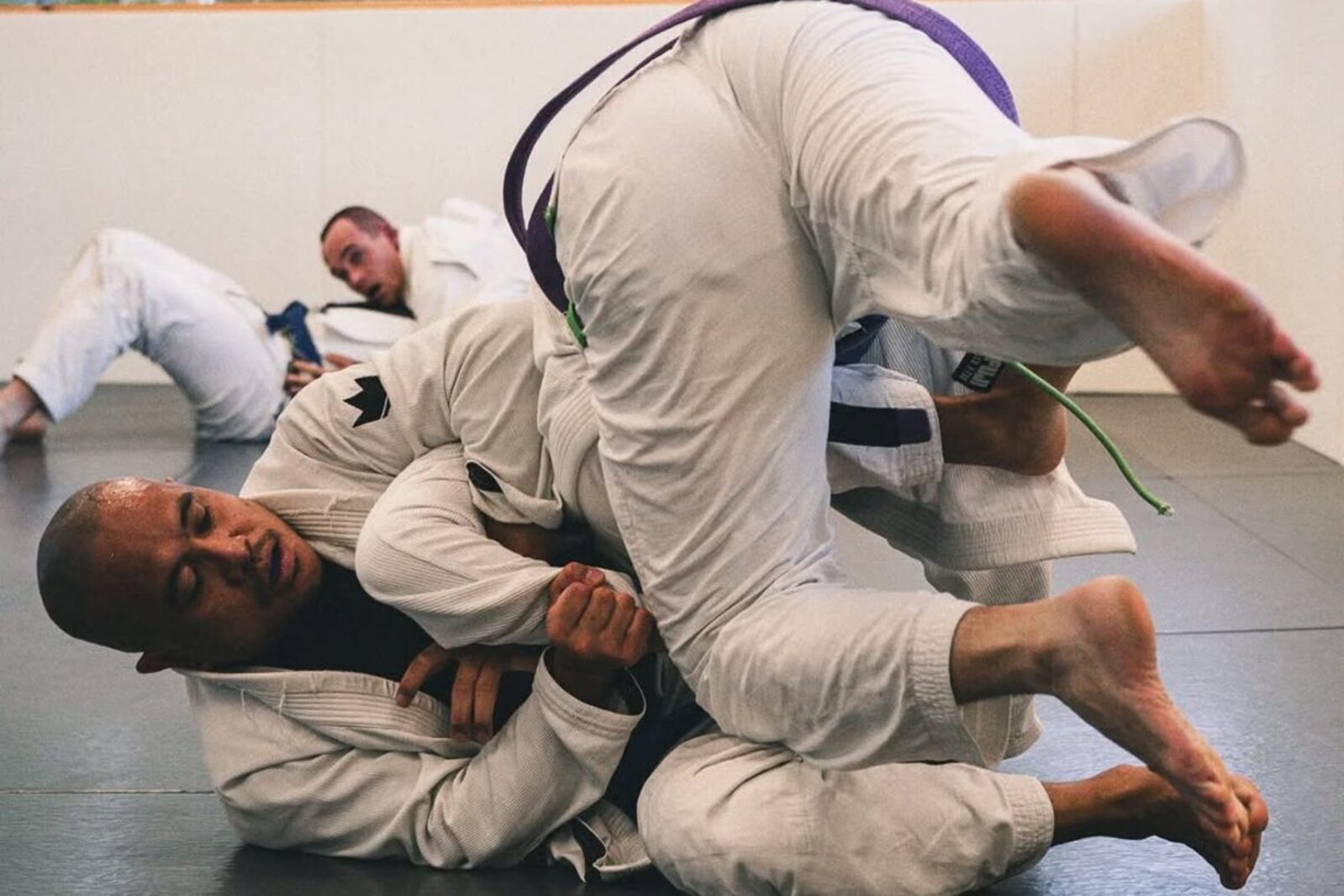
If you're a complete beginner thinking about your first BJJ class in Canberra, your belt rank is genuinely the last thing that should be on your mind. Nobody expects you to know anything when you walk in. Nobody is measuring you against other students. Nobody cares where you started.
The only expectation on day one is that you show up and try. That's the entire requirement.
At Shibusa in Belconnen, our beginner classes are specifically designed for adults with no prior martial arts experience. You won't be mixed in with advanced students and left to figure things out. The curriculum is structured, the coaching is clear, and the environment is deliberately welcoming.
Belt rank becomes meaningful once you're invested in the art and have a few months of training under your belt (literally). At the beginning, just enjoy the process. Focus on showing up. The rank will take care of itself.
Start Your BJJ Journey in Canberra at Shibusa
If this page has got you thinking about starting BJJ — that's the point. Come and experience it for yourself.
At Shibusa Jiu Jitsu Studio in Belconnen, Canberra, we offer a private intro lesson specifically designed for adults who've never trained before. One-on-one with a coach, focused entirely on you, at a pace that actually makes sense.
Private Intro Lesson — 100% Money Back Guarantee
If you don't love it, you get your money back. No questions, no awkwardness.
- 1-on-1 session with head coach Shaher or coach Allen
- Structured introduction to core BJJ positions & movements
- Immediate, personalised coaching feedback throughout
- Time to ask every question you have
- A clear path into our beginner program if you want to continue
No gear required. No prior experience needed. No contracts.
Book Your $49 Intro LessonFrequently Asked Questions About BJJ Belts
What are the BJJ belt colours in order?
The adult BJJ belt order is: white, blue, purple, brown, and black. Each belt has up to four stripes that can be awarded before the next promotion. Beyond black, there are higher dan grades denoted by coral and red belts, reserved for practitioners with decades of experience at black belt level.
How many stripes can you have on a BJJ belt?
Each belt (white through brown) can carry up to four stripes. A student with four stripes is generally approaching the threshold for the next rank, though the exact timing is always at the instructor's discretion.
Can you lose your BJJ belt?
In theory, yes — but in practice it's extremely rare. A legitimate BJJ instructor can revoke a belt for serious misconduct or unsportsmanlike behaviour. It's not something that happens because of a bad training day or losing matches. Your rank is considered yours once awarded.
Is there an age limit for getting a BJJ black belt?
There's no upper age limit. However, there is a minimum age — you must be at least 19 years old to be awarded an adult black belt under IBJJF rules. Many people start BJJ in their 30s, 40s, or even 50s and go on to earn their black belt. The belt reflects the quality of your training, not your age.
How often do BJJ belt promotions happen?
There's no fixed schedule. Promotions happen when your instructor believes you're ready — which could be once or twice a year at certain belts, or less frequently at higher ranks. At Shibusa, we don't rush promotions or hold them back artificially. They happen when they're genuinely earned.
What's the difference between a coral belt and a black belt in BJJ?
The coral belt (red and black, or red and white) represents the 7th and 8th degree black belt. A red belt is the 9th and 10th degree, reserved for the grand masters of the art. For context, most people training BJJ today will never encounter someone above a 4th or 5th degree black belt. These are exceptionally rare ranks that take a lifetime to achieve.